ideal macro ratio for weight loss Macros macro macronutrient ratio fat loss body weight bodybuilding ratios lose split diet maintenance muscle percentages percentage different type carb
As professionals in the health and nutrition industry, we understand the importance of counting macros for weight loss and maintaining a healthy lifestyle. Macros, or macronutrients, are the three main components of our diet: protein, carbohydrates, and fats. Tracking and managing the intake of these nutrients can greatly impact our weight loss journey. To start, it is important to determine your daily caloric needs. This can be done by calculating your basal metabolic rate (BMR), which is the number of calories your body burns at rest, and factoring in your daily activity level. Once you have calculated your daily caloric needs, you can begin to determine your macro breakdown. A common macro breakdown for weight loss is 40% protein, 40% carbohydrates, and 20% fats. This breakdown can be adjusted based on personal preferences and goals. It is important to note that the quality of these nutrients also plays a role in overall health. Consuming whole, nutrient-dense foods should always be a priority. Tracking macros can seem daunting at first, but there are several helpful tools and apps available to make the process easier. When tracking macros, it is important to weigh and measure food portions accurately. This can be done using a food scale and measuring cups/spoons. It is also important to be mindful of hidden calories and macros. Condiments, dressings, and beverages can quickly add up in calories and macronutrients. Opt for low-calorie and low-fat options whenever possible. Incorporating physical activity into your daily routine can also aid in weight loss and overall health. Combining a balanced diet with exercise can lead to greater results and improve overall well-being. When beginning a macro counting journey, it is important to approach it with patience and consistency. Results may not be immediate, but by staying consistent and tracking progress, success can be achieved. Seeking guidance from a certified professional can also be beneficial in creating a personalized plan for your individual needs and goals. Incorporating macro counting into a weight loss journey can provide a structured approach to nutrition and help in achieving weight loss goals. Remember to focus on whole, nutrient-dense foods and stay consistent in tracking progress. With dedication and patience, success is achievable.
If you are searching about Macros for Weight Loss in Women: How to Count Macros for Fat Loss | K you’ve came to the right place. We have 5 Pics about Macros for Weight Loss in Women: How to Count Macros for Fat Loss | K like Here’s the Skinny on Macros, Macros for Weight Loss in Women: How to Count Macros for Fat Loss | K and also Here’s the Skinny on Macros. Here it is:
Macros For Weight Loss In Women: How To Count Macros For Fat Loss | K
 www.kaleishafetters.commacros
Connect The Dots Ginger | Becky Allen: Know Your Body Type To Help You
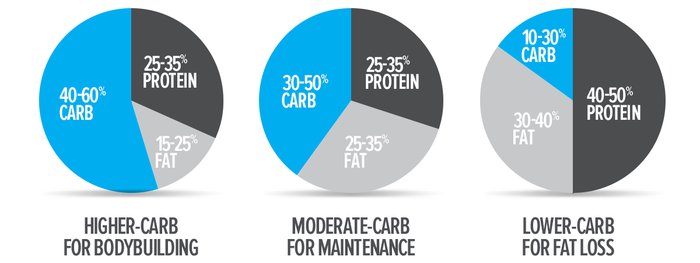 www.connectthedotsginger.commacros macro macronutrient ratio fat loss body weight bodybuilding ratios lose split diet maintenance muscle percentages percentage different type carb
Here’s The Skinny On Macros
 www.alygrayfitness.commacros calculating calculator meal mediterranean carbs gain nutrition mealpreponfleek iifym galveston
Pin On Counting Macros
 www.pinterest.commacros guide calculating diet calculator macro carb mealpreponfleek weight loss cycling ultimate keto healthy counting choose board meal fitness fat
The Big Fat Truth About 6 Pack Abs
 www.daimanuel.commacronutrient macros ratios loss fat weight calculate muscle gain diet lean lose ratio protein macronutrients building body intake eat should
Macronutrient macros ratios loss fat weight calculate muscle gain diet lean lose ratio protein macronutrients building body intake eat should. Connect the dots ginger. Pin on counting macros