macro ratio for keto Keto calculator: the easy keto macro calculator
Starting your journey into the world of keto can be daunting. There are so many different aspects to the diet that need to be considered, and it can be challenging to know where to start. In this post, we will cover the basics of tracking macros on a keto diet. Firstly, what is a keto diet? A ketogenic diet is a high-fat, moderate-protein, and low-carbohydrate diet. The goal is to get your body into a state of ketosis, where it burns fat for energy instead of carbohydrates. To achieve this state, you need to consume a certain amount of fat, protein, and carbohydrates each day. This is where tracking your macros comes in. Macronutrients, or macros, are the three main components of the food we eat – fat, protein, and carbohydrates. Each of these macros provides a certain number of calories per gram: - Fat: 9 calories per gram - Protein: 4 calories per gram - Carbohydrates: 4 calories per gram To calculate your macros for a keto diet, you need to figure out how many calories you need to eat each day and what percentage of those calories should come from each macro. The general rule of thumb for a keto diet is to consume around 75% of your calories from fat, 20% from protein, and 5% from carbohydrates. However, these percentages can vary depending on your individual needs and goals. To calculate your macros, you can use an online keto calculator, such as the one found on ruled.me. This calculator takes into account your sex, age, height, weight, and activity level to give you a recommended daily calorie intake and macro breakdown. Once you have your recommended macros, it’s essential to track what you eat. There are many online tools and apps available to help you track your macros, such as MyFitnessPal and Cronometer. These tools allow you to enter what you eat throughout the day and track your macros in real-time. One important thing to keep in mind when tracking macros on a keto diet is to prioritize consuming whole, nutrient-dense foods. It’s easy to get caught up in hitting your macro goals with processed and packaged keto-friendly foods, but these may not be the best choices for your overall health. Including a variety of healthy fats, such as avocados, nuts, and olive oil, as well as lean proteins and fibrous vegetables, will ensure you are getting all the nutrients your body needs to thrive on a keto diet. In conclusion, tracking your macros on a keto diet is crucial to achieving and maintaining a state of ketosis. By calculating your recommended macros and using online tools to track what you eat, you can stay on track and make sure you are consuming a balanced diet while achieving your health goals.
If you are searching about Tracking Macros + Keto | The Basics – Just Jessie B you’ve visit to the right page. We have 5 Pics about Tracking Macros + Keto | The Basics – Just Jessie B like Best Food Scale for Keto - Smart Food Scale, Keto macro ratio - fakehac and also Keto Calculator: The Easy Keto Macro Calculator. Read more:
Tracking Macros + Keto | The Basics – Just Jessie B
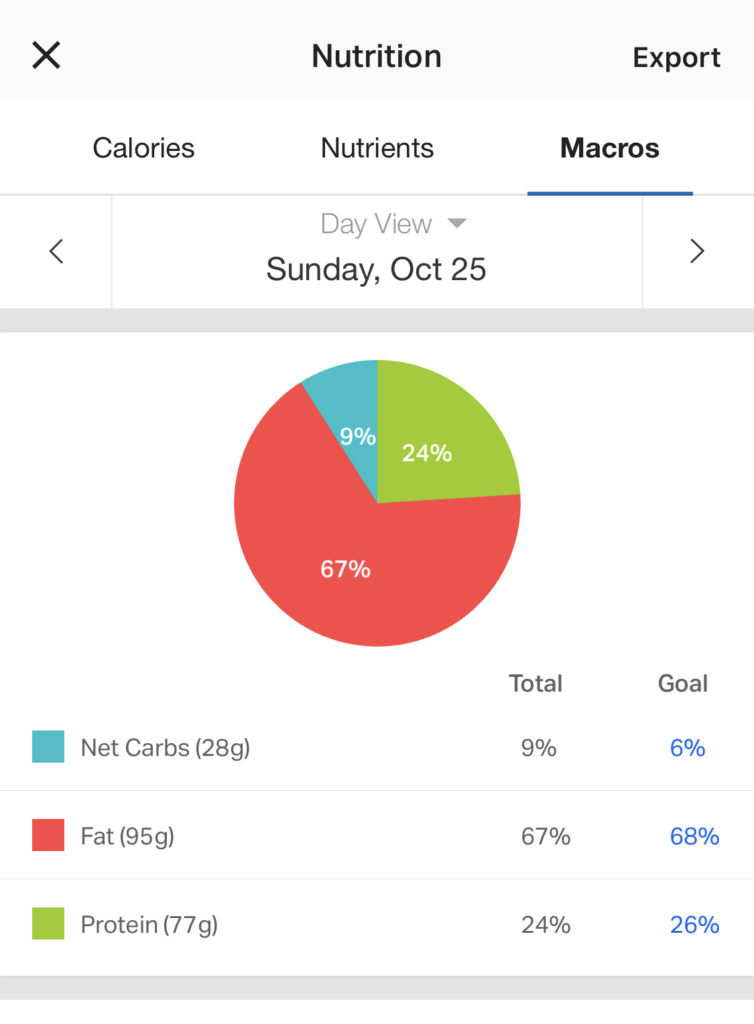 www.justjessieb.commacros
What Is A Keto Diet? Basics For Beginners | Simply Keto Diet Blog
 simplyketodiet.comketo ratio diet macro carbohydrate grams numbers fat protein percentage aim important try than most
Keto Macro Ratio - Fakehac
 fakehac.weebly.comBest Food Scale For Keto - Smart Food Scale
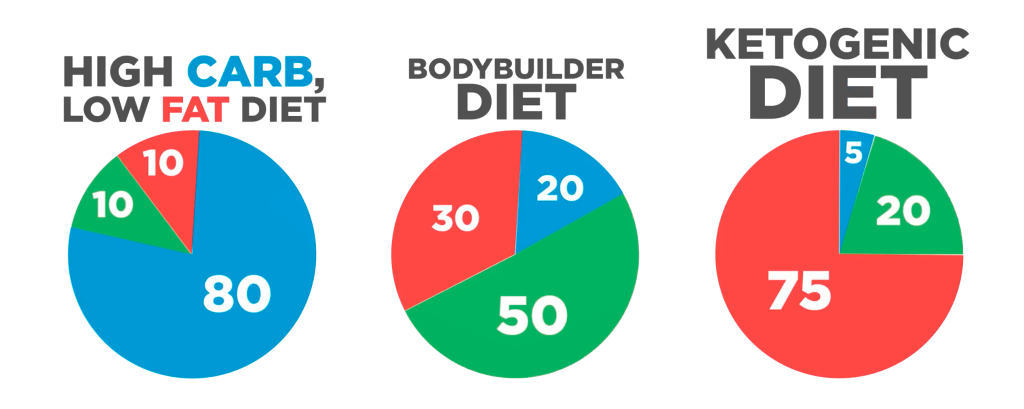 smartchef.meketo macro diet ratio food scale percentage chart distribution fat protein ketogenic carbohydrate nutrients ratios typically
Keto Calculator: The Easy Keto Macro Calculator
 perfectketo.comketogenic calculator percentages grams macronutrient macros carbs perfectketo ketosis proportions calculate calories harmful carbohydrate bioscope
Keto macro diet ratio food scale percentage chart distribution fat protein ketogenic carbohydrate nutrients ratios typically. What is a keto diet? basics for beginners. Keto ratio diet macro carbohydrate grams numbers fat protein percentage aim important try than most